
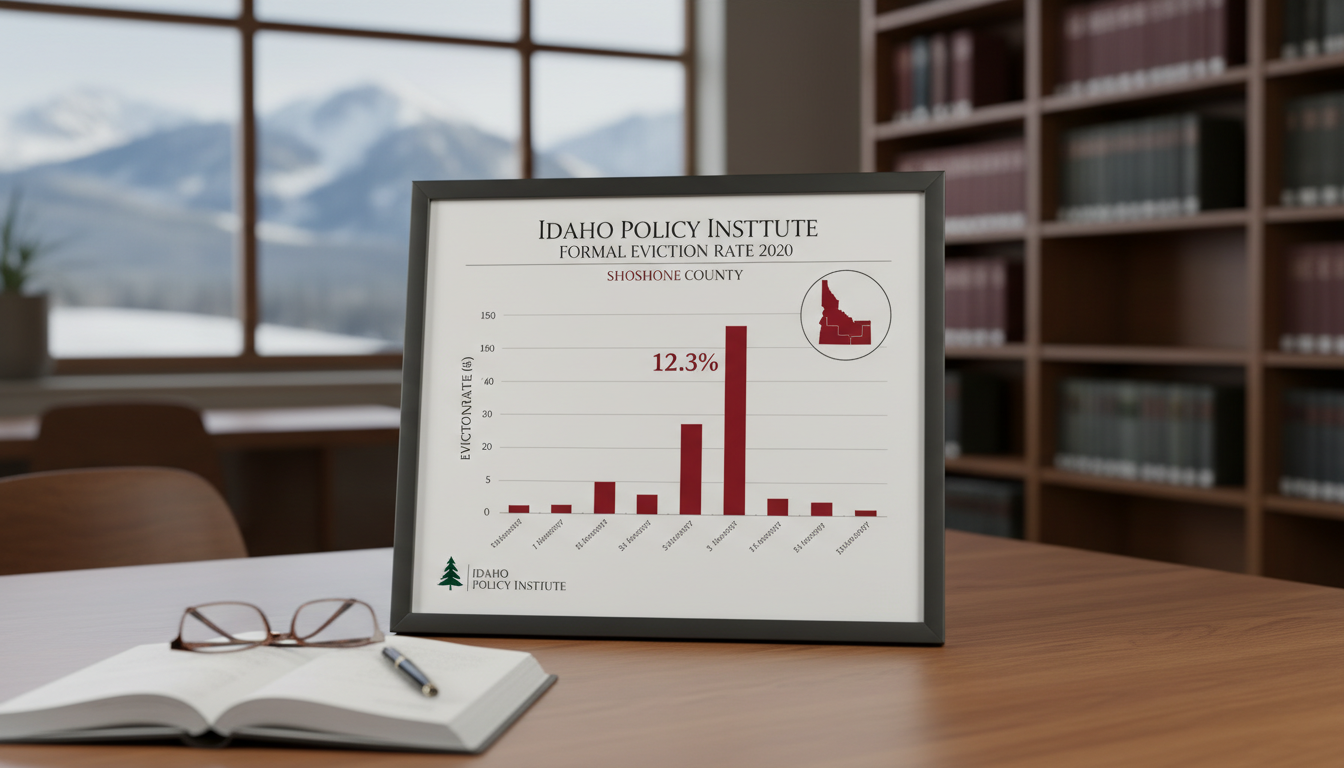
Introduction to eviction rates in Idaho
As we delve into 2020 statistics, we’ll uncover insights from the Idaho Policy Institute’s comprehensive report. Understanding these numbers not only highlights the struggles of those affected but also reveals potential pathways to solutions. Join us as we explore how evictions shaped Shoshone County in 2020 and what it means for its future.
Overview of Shoshone County demographics
The area has a mix of urban and rural settings. The largest city, Kellogg, offers amenities while surrounding towns maintain their small-town charm.
The median age hovers around 40. This indicates a balanced community in which both younger families and older generations contribute to local culture.
Economically, Shoshone County relies on industries like mining and tourism as key drivers. However, agriculture also plays an important role in sustaining livelihoods here.
In terms of education levels, there are growth opportunities, but challenges remain evident within specific sectors. Understanding these demographics helps shed light on the unique social fabric that shapes eviction trends in the region.
Data source: Idaho Policy Institute 2020 report
By utilizing court records and housing statistics, this report provides an accurate picture of the eviction landscape during a challenging year.
Researchers meticulously analyzed trends and patterns to highlight not just numbers but also human stories behind each case.
This comprehensive approach enables policymakers and communities to understand the underlying factors driving evictions in Shoshone County. The insights derived from this data are essential for creating effective responses to support families facing housing instability.
Through its ongoing research, the Idaho Policy Institute continues to shed light on crucial topics affecting residents statewide.
Total formal evictions recorded.
The data reveals that over **X** evictions took place throughout the year. This number showcases not only individual hardships but also broader systemic issues within housing and economic stability in the region.
Each eviction represents a family grappling with instability and uncertainty. The repercussions extend beyond just losing shelter; they can fracture communities and disrupt social cohesion.
Compared with previous years, this year displayed different trends. While some fluctuations are typical, 2020 marked an unusually high rate due to various factors such as job losses and health crises stemming from the pandemic.
Understanding these numbers helps illuminate urgent needs for intervention and support across Shoshone County’s vulnerable populations.
Comparison with previous years
This uptick reflects broader economic pressures that many families faced during the pandemic. Job losses and health crises played significant roles in driving individuals to seek legal assistance for evictions.
In contrast, years prior were marked by relatively stable rates, highlighting how unforeseen circumstances can drastically alter housing stability.
The transition from steady numbers to surging evictions underscores the urgency of addressing systemic vulnerabilities within the community.
Local resources struggled to keep pace with this sudden demand for support services, revealing gaps in aid and intervention programs that need attention moving forward.
Factors contributing to evictions in 2020
Additionally, existing economic challenges exacerbated the situation. Many residents were already living paycheck to paycheck before the crisis hit. A lack of affordable housing options further complicated matters; with limited resources available, families found themselves without viable alternatives when facing eviction.
The emotional toll of uncertainty affected mental health as well. Anxiety over financial stability made it difficult for tenants to communicate openly with landlords about their situations.
Legal and bureaucratic hurdles also impeded access to assistance programs for those at risk of eviction. These barriers made it harder for vulnerable populations within Shoshone County to navigate their circumstances effectively during an unprecedented year.
Impact on families and communities
Communities also feel the repercussions. High eviction rates often correlate with increased homelessness, straining local resources such as shelters and food banks. Neighborhoods that experience frequent evictions often see declining property values and higher crime rates.
Families facing eviction are often unable to maintain stable employment due to constant relocations or court appearances, further compounding financial stress. Struggling parents may sacrifice essential needs for their children just to stay afloat in a turbulent environment.
This situation creates a cycle of poverty that is difficult to escape, affecting not only those directly involved but also the broader community fabric in Shoshone County.
Policy recommendations
Second, increasing funding for legal aid services is crucial. Many renters lack the resources to navigate eviction proceedings effectively. By offering support, we empower them to assert their rights and negotiate better terms with landlords.
Third, establishing education programs about tenant rights can create informed communities. Knowledgeable tenants can advocate for themselves more effectively and prevent unnecessary evictions.
Promoting collaborative partnerships between local government agencies and housing organizations can streamline access to resources. A unified approach will ensure that families receive comprehensive support throughout any crises they may encounter in their housing situations.
Charts or visual data interpretation
For instance, a bar graph of annual evictions highlights year-to-year fluctuations. This visual is more than just lines and bars; it represents families facing housing instability.
Pie charts further break down the demographics affected by these evictions—age groups, family types, and income levels are all essential factors that emerge clearly from the visuals.
Line graphs tracking monthly eviction filings in 2020 can pinpoint specific spikes during economic downturns or public policy changes. These patterns not only inform policymakers but also engage communities seeking solutions.
Such representations make complex information accessible and understandable for everyone involved in addressing this critical issue in Shoshone County. Engaging with this data visually encourages informed discussions about necessary interventions.
Conclusion
With the formal eviction rate reaching notable levels, it’s crucial to consider both systemic and individual factors contributing to this rise. Housing instability affects not just those who are evicted but also casts a shadow over entire neighborhoods, increasing stress on local resources like schools and social services.
Addressing these complexities requires collaborative effort from policymakers, community organizations, and residents alike. By implementing targeted interventions and support systems, we can work to reduce eviction rates and foster stronger community ties.
As we look ahead, understanding these dynamics will be essential for creating effective housing policies that support vulnerable populations in Shoshone County and beyond. Engaging with local resources can empower families facing hardship while also encouraging proactive measures to mitigate the risk of future eviction.
