
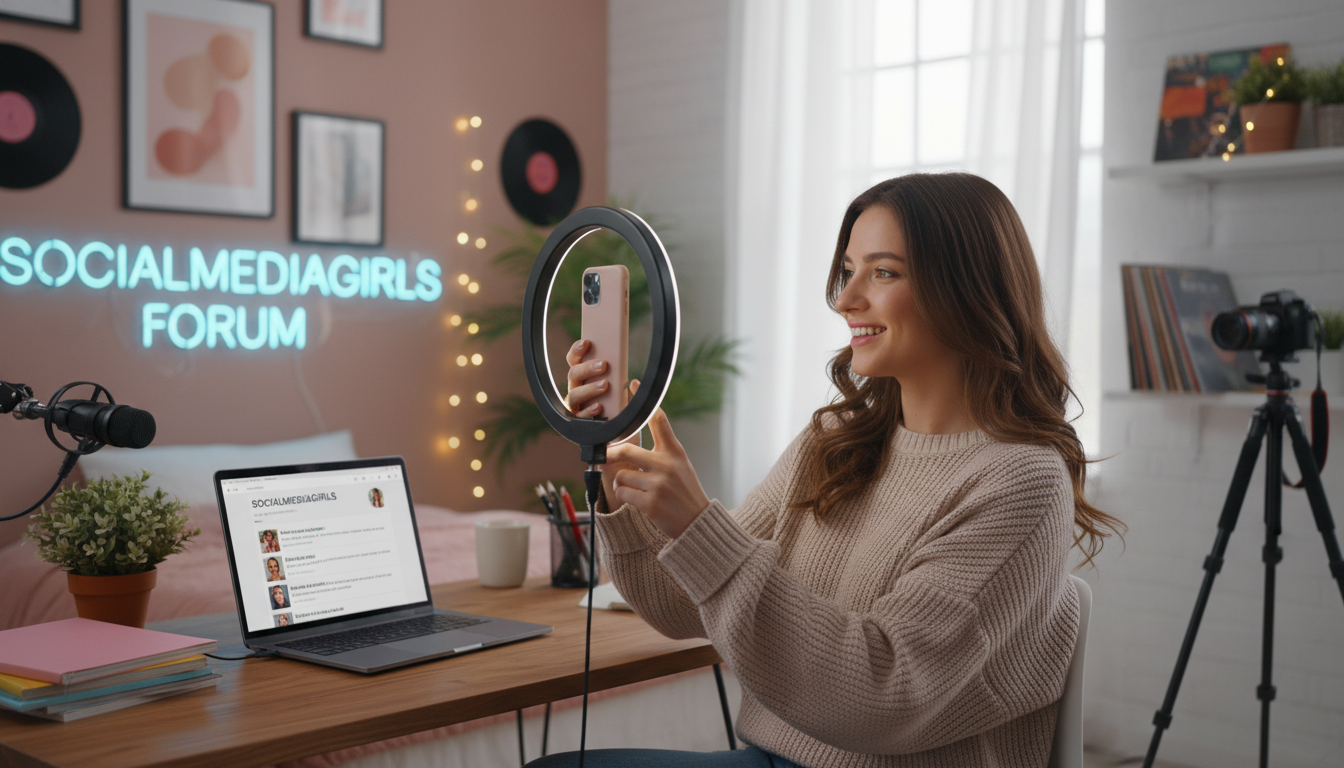
In the sprawling ecosystem of the internet, the rise of the “creator economy” has been one of the defining shifts of the 21st century. Platforms like Instagram, TikTok, Patreon, and OnlyFans have democratized fame and monetization, allowing individuals to build brands, cultivate audiences, and earn livings directly from their supporters. However, this democratization has come with a significant, often overlooked cost: the erosion of digital privacy and the rampant, unauthorized distribution of content.
While fans and subscribers drive the legitimate side of this economy, a shadow ecosystem exists in parallel. Forums and “leak” sites—often operating in the grey areas of the internet—serve as hubs where premium, paywalled, or private content is shared freely, often without the consent of the creator. This phenomenon raises critical questions about copyright, consent, and the safety of individuals in the digital age.
The Architecture of Unauthorized Distribution
To understand the challenge creators face, one must understand the mechanism of content theft. The model is deceptively simple. A creator produces content—be it a vlog, a photoshoot, or an exclusive tutorial—and places it behind a paywall intended for loyal subscribers. This transaction is the bedrock of platforms like Patreon or Fanfix: value for value.
However, the “leak” culture undermines this model instantly. A single user can subscribe, download the content, and re-upload it to third-party forums or file-sharing sites. These forums, often hidden in plain sight or accessible via standard search engines, aggregate terabytes of stolen data. They are organized not by topic, but by person—creating digital dossiers of influencers that include everything from their public Instagram posts to their most exclusive, paid content.
This is not merely piracy in the way one might pirate a Hollywood movie. While downloading a blockbuster film hurts a massive corporation, leaking the content of an independent creator directly impacts their livelihood and, often, their personal safety.
The Violation of Consent and Privacy
The discussion around these forums often centers on copyright, but the core issue is consent. When a creator uploads content to a specific platform, they are consenting to its viewing within the terms of service of that environment. They are controlling the context, the audience, and the distribution.
When that content is scraped and reposted on a third-party forum, that consent is violated. The context is stripped away. A photo intended for a supportive community of subscribers is suddenly thrown into a chaotic, unmoderated, and often hostile environment.
This loss of control is psychologically damaging. Many creators report feelings of violation similar to physical stalking. The knowledge that their images are being dissected, critiqued, and shared by strangers who have no respect for their boundaries creates a persistent state of anxiety. In severe cases, these forums do not just host content; they become breeding grounds for doxxing—the practice of publishing private information like home addresses and phone numbers.
The “Fair Use” Fallacy and Legal Loopholes
One of the ways these communities justify their existence is through a misunderstanding or willful manipulation of “Fair Use” laws. Users often claim that because they are discussing the content, it falls under commentary or criticism.
However, the legal reality is starkly different. Posting a creator’s entire paywalled catalog is not fair use; it is copyright infringement. The problem lies in enforcement. The Digital Millennium Copyright Act (DMCA) provides a mechanism for creators to demand the removal of stolen content. But the process is a game of whack-a-mole.
- Volume: A popular creator might have thousands of files leaked across dozens of websites. Sending DMCA takedown notices for each one is a full-time job.
- Jurisdiction: Many of these forums are hosted on servers in countries with lax copyright laws, making legal action difficult or impossible for an individual to pursue.
- Anonymity: The uploaders are anonymous, meaning the creator cannot sue the individual responsible for the leak; they can only try to scrub the internet of the result.
This creates a power imbalance. The creator has everything to lose (income, privacy, reputation), while the leaker has nothing to lose and faces virtually no consequences.
The Impact on the Creator Economy
The financial impact of “leak culture” is quantifiable and devastating. For creators who rely on subscription revenue, piracy is direct theft of wages. If a user can find the content for free on a forum, the incentive to pay the creator vanishes.
But the impact goes beyond lost wages. It stifles innovation and authenticity. Creators become guarded. Knowing that anything they post could end up on a toxic forum, they may self-censor. They may choose not to share personal stories or more artistic, vulnerable work because the risk of it being weaponized is too high.
Furthermore, it creates a barrier to entry. New creators looking at the landscape may decide that the loss of privacy isn’t worth the potential success. We lose voices and talent because the safety nets are nonexistent.
The Role of Tech Giants and Search Engines
A controversial aspect of this ecosystem is the role of search engines and social media giants. Often, these leak forums are easily indexable. A simple Google search for a creator’s name often brings up these forums on the first page of results.
Critics argue that search engines have a responsibility to de-index sites that are known hubs for non-consensual content distribution and copyright infringement. While some progress has been made, the algorithms often prioritize traffic and relevance over safety. If a forum has high traffic, it ranks high, regardless of the legality of the content it hosts.
Similarly, social media platforms (Twitter/X, Reddit, Telegram) are often used as the “top of the funnel” to direct traffic to these forums. While these platforms have terms of service prohibiting non-consensual media, the sheer volume of uploads makes moderation a constant struggle.
Fighting Back: Tools and Strategies
Despite the bleak landscape, the industry is fighting back. A new sector of “Brand Protection” and “DMCA Takedown” services has emerged. Companies like Rulta or BranditScan use AI to scan the web for stolen content and automatically issue legal takedown notices.
These services have shifted the dynamic slightly. Instead of a creator spending hours filling out forms, a bot does it for them, 24/7. While it doesn’t stop the leaks from happening, it reduces their lifespan on the web.
Additionally, legal precedents are slowly shifting. There is a growing movement to treat the unauthorized distribution of intimate images not just as a copyright issue, but as a criminal offense. Laws regarding “revenge porn” (non-consensual intimate imagery) are becoming stricter in the US, UK, and Europe, though they often lag behind the speed of technology.
The Cultural Shift Required
Technological solutions are band-aids. The root of the problem is cultural. There is a pervasive entitlement among internet users who believe that if something is digital, it should be free, and if a person is public, they are public property.
Combatting forums that trade in stolen content requires a shift in how we view digital consumption. It requires:
- Audience Education: Understanding that accessing leaked content is unethical and harms the creator.
- Platform Accountability: Pressuring hosting providers and payment processors (like Visa and Mastercard) to cut ties with sites that facilitate theft and harassment.
- Legal Reform: Updating laws to reflect the reality of the digital age, where a data breach is a violation of personhood.
Conclusion
The existence of forums dedicated to leaking and trading creator content is a dark reflection of the internet’s unregulated nature. It represents a clash between the right to privacy and the ease of digital theft.
For the creator economy to sustain itself, the safety and intellectual property rights of individuals must be prioritized. Until the cost of leaking content outweighs the thrill of it, and until platforms take a definitive stand against hosting stolen material, creators will continue to fight a war on two fronts: creating the content we love, and protecting it from those who wish to exploit it. The “free” internet comes at a very high price, and currently, it is the creators paying the bill. Visit
