
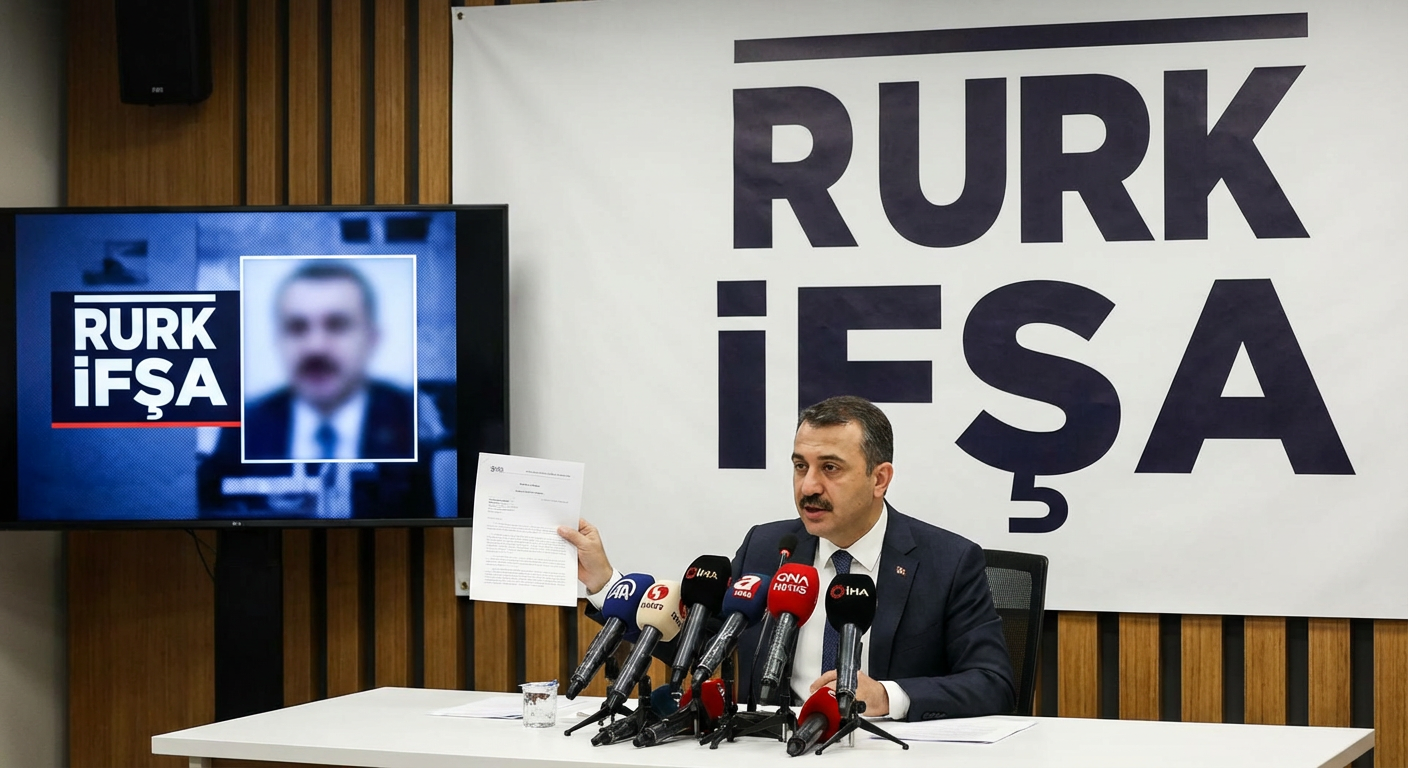
Introduction — The Anatomy of a Viral Phenomenon
In the hyper-accelerated ecosystem of modern digital media, trends rise and fall with the setting sun. However, occasionally, a topic emerges that refuses to be swept away by the algorithm. This topic dominates the collective consciousness and sparks fierce debate across every corner of the internet. In recent weeks, that topic has been “Rurk Ifşa.”
From encrypted message boards to the front pages of major news syndicates, the phrase has become inescapable. But what appears on the surface to be just another fleeting internet scandal is, upon closer inspection, a complex case study in modern privacy, digital ethics, and the voracious nature of online consumption.
What exactly is Rurk Ifşa? Why has it captivated millions? And more importantly, what does this viral incident tell us about the fragility of our own digital lives? As curiosity peaks, it is essential to move beyond the headlines and unpack the significance of this unfolding drama. This is not just gossip; it is a pivotal moment in the ongoing conversation about consent and the digital footprint.
Decoding the Lexicon: What Does “Rurk Ifşa” Actually Mean?
To truly understand the gravity of the situation, one must first deconstruct the terminology that has surged into the public lexicon. The term is a linguistic hybrid that carries heavy implications.
- “Rurk”: This represents the specific identity, handle, or alias of the individual currently at the epicenter of the controversy. It serves as the anchor for the incident, directing public attention to a specific target.
- “Ifşa”: A powerful Turkish term that translates to “disclosure,” “revelation,” or “exposure.” In the context of internet culture, however, it has taken on a darker meaning. It signifies the non-consensual airing of dirty laundry—the weaponization of private information.
When combined, “Rurk Ifşa” signifies a violation of boundaries. Unlike standard celebrity news or planned publicity stunts, an Ifşa incident is characterized by its lack of consent. These leaks often involve the dissemination of deeply personal materials—ranging from private correspondence and audio recordings to intimate imagery.
The repercussions for those involved are often catastrophic. Victims face not only the emotional trauma of betrayal but also a digital onslaught of scrutiny, harassment, and reputational damage that can last a lifetime. Understanding this term is crucial, as it frames the event not as entertainment but as a human rights violation in the digital sphere.
The Chronology of Chaos: How a Spark Became an Inferno
The trajectory of the Rurk Ifşa incident offers a fascinating, albeit disturbing, look at the velocity of viral content. Retracing the timeline reveals how quickly a small leak can metastasize into a global conversation.
Phase 1: The Ignition (Late September 2023)
The incident did not begin with a bang, but with a whisper. In the shadowy corners of niche forums and private Telegram groups, the first fragments of the leak began to circulate. At this stage, it was a rumor—unverified files generating a low rumble of curiosity among a small group of “in-the-know” users.
Phase 2: The Escalation (Early October)
By early October, the containment dam broke. Snippets of the leaked information migrated from closed communities to mainstream platforms like X (formerly Twitter) and TikTok. The exclusivity was gone. Users began sharing cryptic screenshots and reaction videos, fueling a wildfire of speculation. Is it real? Who is behind it? What does it reveal? These questions drove engagement metrics through the roof, algorithmically pushing the content to millions of unsuspecting feeds.
Phase 3: The Explosion (Mid-October)
The tipping point arrived when traditional media entered the fray. Major publications and tech blogs began releasing articles analyzing the trend. Simultaneously, authorities reportedly launched formal investigations, signaling that this was no longer just internet drama but a potential legal matter. The conversation shifted from shock to a forensic examination, turning the internet into a hive of amateur detectives, critics, and defenders.
The Ripple Effect: Public Outcry and the Media Frenzy
The public reaction to Rurk Ifşa has been nothing short of explosive, illustrating the volatile and often polarized nature of online opinion.
The Social Media reaction:
Social platforms are currently flooded with a chaotic mix of responses. On one side, there is a voracious appetite for the content—a “fear of missing out” (FOMO) that drives users to hunt for the leaks. On the other side, there is a wave of ethical outrage. Many users are using the moment to campaign against the sharing of non-consensual content, creating a moral battleground in the comment sections. Memes, reaction videos, and “explainers” are being produced by the minute, further embedding the incident into the cultural zeitgeist.
The Media Narrative:
Journalists have been quick to dissect the story, though the angles vary greatly. Tabloid-style outlets focus on the salacious details of the leak itself, while responsible tech journalism focuses on the broader implications of data privacy. Influencers and public figures have also weighed in, offering “hot takes” that range from victim-blaming to staunch advocacy for digital privacy laws. This multifaceted response reveals a society deeply anxious about security; every post adds a layer to the complex narrative of who owns our data.
Anatomy of a Breach: Theories on the Origins
As the dust settles on the initial shock, the analytical question remains: How did this happen? While the definitive cause is still under investigation, cybersecurity experts and online sleuths have proposed several plausible theories regarding the origin of the Rurk Ifşa leak:
- Cybersecurity Vulnerabilities:
- The most common culprit in the digital age. This theory suggests that hackers exploited weak security protocols—perhaps a weak password or an unencrypted cloud backup—to harvest private data. It serves as a stark reminder that even the most secure-seeming accounts are only as strong as their weakest link.
- The “Insider Threat” (Sabotage):
- A more dramatic possibility involves internal betrayal. This theory posits that a disgruntled associate, former friend, or employee maliciously released the data. Motivationally, we see a range from personal vendettas to professional jealousy.
- Social Engineering & Phishing:
- Often, systems aren’t hacked; people are. Sophisticated manipulation tactics may have been used to trick the individual into handing over credentials or clicking a compromised link. This highlights the human-error element in almost all digital security failures.
- Disinformation Campaigns:
- In the fog of internet war, truth is often the first casualty. Some analysts suggest that parts of the “leak” could be fabricated or altered—a “Deepfake” or manufactured narrative designed to destroy a reputation, mixed in with real data to lend it credibility.
The Aftermath: A Profound Impact on Digital Culture
The legacy of Rurk Ifşa will likely extend far beyond the current news cycle. It has forced a necessary, albeit painful, conversation about the fragility of privacy in 2023 and beyond.
The incident serves as a mirror to our society. It forces us to ask uncomfortable questions: Why do we consume this content? What responsibility do platforms have to stop it? And how can we protect ourselves?
As authorities continue their investigation and the affected parties seek legal recourse, the Rurk Ifşa incident stands as a digital monument to the dangers of the modern web. It is a warning that in an interconnected world, privacy is a luxury that must be fiercely guarded.
